The solar energy boom in Nigeria: business opportunities and investment potential
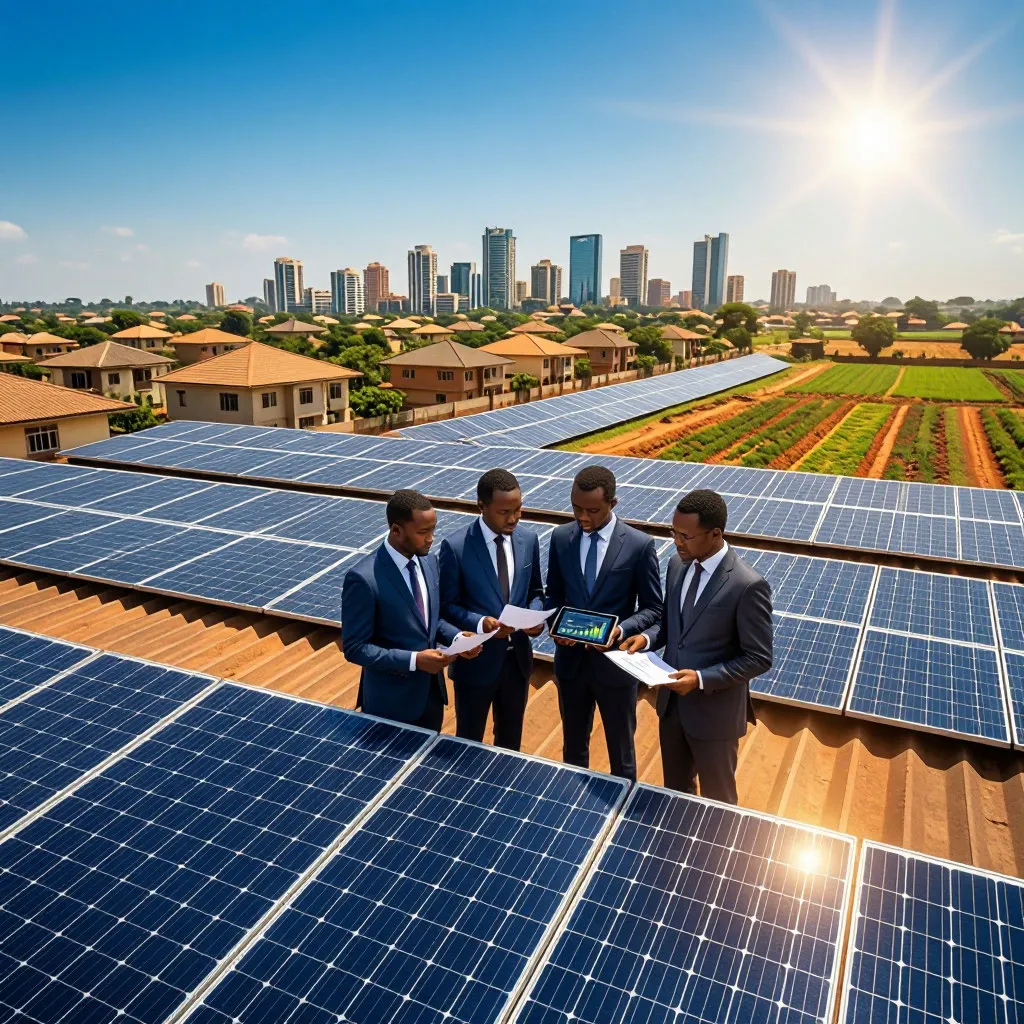
Walk down any street in Lagos, and the deafening roar of petrol generators is impossible to ignore. For decades, these noisy, polluting machines have been the heartbeat of Nigerian businesses and homes, filling the gap left by an unreliable national grid. However, a dramatic shift is underway. The sudden removal of the fuel subsidy, combined with skyrocketing diesel prices, has pushed the cost of running traditional generators to unsustainable levels. This economic pressure has transformed solar power from an expensive environmental luxury into an essential survival tool for local enterprises and households alike. Entrepreneurs and investors are quickly realizing that the country’s energy deficit is actually a massive commercial frontier.
The catalysts driving the solar revolution
Nigeria’s national electricity grid collapses with frustrating frequency, leaving millions of people in total darkness for hours or even days. When the grid fails, businesses must rely entirely on self-generation. Historically, this meant fossil fuels, but recent macroeconomic reforms have made petrol and diesel prohibitively expensive. Consequently, the financial math has changed dramatically. A one-time investment in solar panels and battery storage now pays for itself much faster than before. This urgent need for self-reliance is the primary engine behind the exponential growth of the solar energy business Nigeria is currently witnessing. It is no longer just about going green: it is about keeping the lights on and keeping businesses profitable.
Market opportunities for forward-thinking investors
The sheer scale of Nigeria’s energy demand means there is no single way to serve this rapidly growing market. Different consumer segments require completely different technological and financial solutions, creating a diverse ecosystem of opportunities. Investors can choose where to position themselves along the value chain based on their risk tolerance and capital availability.
To understand where the most promising financial returns lie, let us examine the core business models currently gaining traction in the country:
- Pay-as-you-go solar home systems: targeting rural and semi-urban households with small-scale, affordable solar setups paid for via mobile money.
- Commercial and industrial installations: providing large-scale solar arrays to factories, schools, and shopping malls looking to hedge against rising diesel costs.
- Solar assembly and manufacturing: setting up local assembly plants for panels, inverters, or batteries to bypass high import tariffs and shipping delays.
- Mini-grid development: constructing decentralized solar grids for off-grid communities, supported by international development funding.
These diverse entry points allow both boutique startups and large multinational corporations to carve out profitable niches. By aligning business models with local purchasing power, companies can unlock steady, long-term revenue streams while making clean electricity accessible to communities that have never had reliable power.
Key players and regional hotspots
The epicentre of this green transition is Lagos, the commercial engine of West Africa, though the demand is spreading rapidly to northern agricultural hubs and eastern manufacturing cities. Major cities are seeing a surge in local solar power companies Lagos hosts, as these businesses rush to meet the demands of corporate clients and wealthy residential areas. The growth is further supported by international grants and private equity, making the clean energy market NG a highly watched sector across the continent. High solar radiation in the northern regions also offers prime conditions for utility-scale projects and agricultural solar water pumps.
To help clarify the landscape, the following data highlights the distinct dynamics of different market segments in Nigeria:
| Segment | Target audience | Key growth driver | Investment risk |
|---|---|---|---|
| Commercial & industrial | Factories, hospitals, malls | Rising diesel prices and grid instability | Low to medium |
| Off-grid mini-grids | Remote rural communities | Lack of grid connection and agricultural needs | Medium to high |
| Residential solar | Urban middle-class homes | Desired comfort and noise reduction | Low |
| Solar street lighting | Municipalities and estates | Public safety initiatives and urban planning | Medium |
The diversity shown above demonstrates that the clean energy sector is not a monolith. Each segment requires a tailored approach to risk management, customer acquisition, and technology deployment. Understanding these nuances is crucial for any investor looking to commit resources to a renewable energy investment Nigeria project.
A step-by-step guide to starting a solar energy business in Nigeria
Entering this market requires a solid understanding of the local regulatory environment, import logistics, and customer financing. While the demand is undeniable, operational success depends on navigating bureaucratic processes and establishing reliable supply chains.
If you are planning to launch an enterprise in this vibrant sector, following a structured roadmap will significantly increase your chances of success:
- Conduct thorough market research: identify a specific niche, such as residential backup systems or solar-powered agricultural irrigation, to avoid direct competition with established giants.
- Secure regulatory approvals: register your business with the Corporate Affairs Commission and obtain necessary permits from the Nigerian Electricity Regulatory Commission.
- Establish reliable supply chains: partner with international manufacturers to source high-quality Tier 1 solar panels, smart inverters, and lithium-iron-phosphate batteries.
- Develop a flexible pricing model: implement lease-to-own or power-purchase agreement options to make the high upfront cost of solar manageable for local clients.
- Build a skilled local team: invest in training local technicians for high-quality installations and post-purchase maintenance to build trust in the community.
By systemizing these preparatory steps, new companies can mitigate early operational risks and build a brand synonymous with reliability. Successfully bridging the gap between high-quality global technology and local financial realities is the ultimate key to capturing a loyal customer base.
Overcoming obstacles and looking ahead
Despite the immense potential, operating in Nigeria presents real challenges. High import duties on components, a volatile foreign exchange rate, and a shortage of skilled technical labor can slow down project execution. However, the government is increasingly recognizing the sector’s importance, offering tax incentives for renewable energy equipment and working alongside global development banks to fund rural electrification projects. The momentum is irreversible. As battery technology becomes cheaper and fossil fuels continue to drain corporate budgets, solar energy is no longer just an alternative: it is the undeniable future of Nigerian power.